It serves as a main target for recreational drugs as well as psychostimulant and antidepressant drugs. Classically, DAT ligands are classified in amphetamine-type and cocaine-type structures 164. While cocaine-type molecules exert inhibitory binding to DAT, amphetamine-type ones are substrates that are effectively transported to the presynaptic neuron, stimulating efflux of cytosolic dopamine 165. Dopamine β-hdroxylase (DBH) is a Cu-based oxidoreductase that controls dopamine transformation into norepinephrine (Figure 2) in several neuron types (like adrenergic or noradrenergic ones) 140. Limited studies have been developed on the use of modified 2-phenethylamines to target DBH. Kruse et al. 141 developed 2-vinyl- and 2-alkynyl-based 2-phenethylamines with moderate vitro activities (Figure 9).
7 Blockade Of DAD1R Attenuated Acute Β-PEA-Induced Circling Behavior In Mice
Phenylethylamines are also generally found to be central nervous system stimulants with many also being entactogens/empathogens, and hallucinogens. Street names for some phenethylamines include ‘Europa’ for 2C-E; ‘4-FMP’, ‘para-fluoroamphetamine’, ‘RDJ’ for 4-FA; and ‘4-MMA’, ‘Methyl-MA’ for PMMA. Phenethylamines are usually available in form of pills, but FLY compounds are commonly sold in powder form, while oral doses (on a slip of blotter paper) are usually available for ‘D substances’. Ingestion is the most common route of administration of phenethylamines. 2-phenylethylamine (PEA) is a trace amine, found in very small amounts in the human body.
While it’s unlikely to when taken in moderate doses, in high doses it may cause a positive test result for amphetamine/methamphetamine. Phenylethylamine dosage recommendations depend on your current health, body size and medical history. Start with a low dose, and work your way up to a higher dose if you require more to feel any effects. While small amounts of PEA are found in some foods, taking PEA supplements is the best way to increase levels. Even so, some experts think that supplementing may not have significant effects, due to how this compound is rapidly broken down into inactive components.
There’s evidence that phenylethylamine may have similar effects as natural endorphins and serve as a possible factor in the antidepressant actions of exercise. One study found that supplementing with 10–60 milligrams of phenethylamine daily along with the antidepressant drug called selegiline (Anipryl, Eldepryl) helped relieve depression in 60 percent of participants. An impressive 86 percent experienced relief from depression symptoms for up to 50 weeks.
Upgrade Your Brain
The salt form, phenylethylamine HCL, is the most common phenylethylamine supplement, and phenylethylamine powders and tablets are also sold. Phenethylamine’s effect is limited when supplemented orally because it is likely quickly broken down in the body by the enzyme monoamine oxidase 4. Exercise may improve mood and it has been linked to increased brain phenethylamine in limited studies 36, 37. Despite the lack of evidence, phenethylamine is found in many weight loss supplements, usually in a modified form 34, 35.
The Future Of Love: PEA Research And Potential
The listing of a material on this website does not constitute a license to, or a recommendation for its use in infringement of any patent whatsoever. It is understood that all of the products purchased here will be handled only by qualified and trained individuals. Seizures of phenethylamines were first reported from the United States and European countries and since 2009 substances such as 2C-E, 2C-I, 4-FA and PMMA have been commonly reported by several countries in different regions.
A Peripheral 5-HT Receptors
The concept of the blood–brain barrier (BBB) was proposed as early as 1900 by Lewandowsky14 (reviewed15) but was not fully appreciated for many decades to come. This means that most polar agents (i.e., those that are not very lipophilic – simple phenols, catechols, carboxylic acids, quaternary amines) typically fail (or display a reduced ability) to gain entry to the brain. Other agents, those possessing unprotected primary amines, such as PEA (1) or tryptamine – agents of moderate lipophilicity – if they penetrate the BBB, are rapidly metabolized by enzymes such as monoamine oxidase (MAO). As a consequence, polar agents usually possess minimal, if any, central activity. Some of the drugs that may interact with PEA include monoamine oxidase inhibitors (MAOIs), selective serotonin reuptake inhibitors (SSRIs), and other antidepressants.
What Use Is Phenylethylamine, Then?
From the rush of new love to the focus needed to solve a challenging problem, PEA plays a role in many aspects of our mental and emotional lives. The potential therapeutic applications of PEA are still being explored, but they’re certainly intriguing. Some researchers are investigating whether PEA could be used as an adjunct therapy for depression, anxiety, or ADHD. Others are exploring its potential in managing neurodegenerative diseases, given its possible neuroprotective properties. It consists of a benzene ring (a hexagonal arrangement of carbon atoms) attached to an ethylamine group.
The chemistry makes sense, but in practice, not enough is known about how supplementation works in real life to make a definitive determination on how effective Phenylethylamine is at enhancing mental functions. As it increases a number of neurotransmitters in the brain, it is believed that it is effective at staving off the depression that might occur as a result of having a lack of these neurotransmitters in the brain. Phenylethylamine is abbreviated as PEA and alternatively known by several scientific names, including β-phenylethylamine, Beta-phenylethylamine, Benzeneethanamine, 1-Amino-2-phenylethane, 2-Phenethylamine, Phenethylamine HCl, and Phenethylamine Hydrochloride.
Lacking Evidence For:
This quick turnover is one of the reasons why the effects of naturally occurring PEA are usually subtle and transient, unlike those of synthetic stimulants that can have more prolonged and intense effects on dopamine systems. Specifically, bacteria from the families Enterobacteriaceae and Pseudomonadaceae can produce cadaverine and putrescine in spoiled turkey meat. It was suggested to use tyramine, putrescine, and cadaverin to quantify meat freshness (Fraqueza et al., 2012). In vegetables, high levels of tyramine were only seen in brine, unless the vegetables were contaminated prior to processing or the temperature and storage time were extreme (Moret et al., 2005).
It’s worth noting that PEA is naturally found in some foods, such as chocolate and certain types of cheese. However, the levels of PEA in these foods are relatively low, and it’s unlikely that consuming them will have a significant impact on mood or happiness. While there is some evidence to suggest that PEA may be able to aid in weight loss, it’s important to note that there is no magic pill or supplement that can instantly lead to significant weight loss. If you are looking to lose weight, it’s important to adopt a healthy and balanced diet, engage in regular physical activity, and consult with a healthcare professional to determine the best approach for your individual needs. The changes in DA concentration of the dorsal striatum after the acute administration of saline or β-PEA were measured using a DA ELISA kit (#KA1887, Abnova, Taipei, Taiwan). According to the manual, standards, controls, and samples (protein lysates of the dorsal striatum) were subjected to extraction and acylation assays.
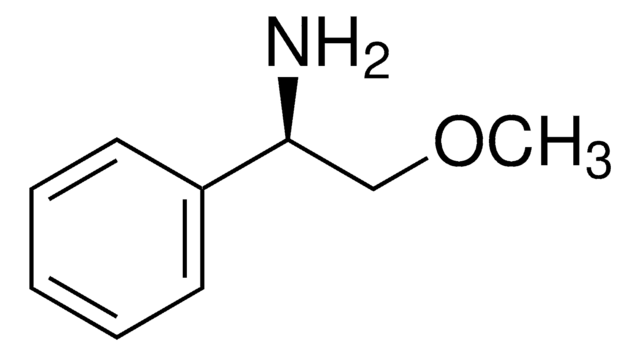
Figure 12
It’s also worth noting that PEA should not be used as a replacement for healthy lifestyle habits, such as getting enough sleep, exercise, and a balanced diet. These habits are crucial for maintaining optimal cognitive function and overall health. Furthermore, PEA has been found to have antioxidant properties, which means that it may be able to protect the body against damage caused by free radicals.
- If you feel that any of our content is inaccurate, out-of-date, or otherwise questionable, please leave a comment or contact us at
- They are found in the intestinal tract, liver and brain, but 80% of intestinal MAO is of the subtype A and is thus mainly responsible for degrading tyramine, so it is inhibition of MAO-A that is mainly responsible for the cheese effect.
- This will result in an increase of the synaptic concentration of serotonin (see Illustration 3).
- Also, individual studies point towards chocolate as one of those foods (Fukui et al., 2008), but other studies are in contrast with these findings (Marcus et al., 1997).
- Likely because monoamine oxidase levels over-power dopamine the older you get.
How To Partner With Your Mental Health Provider
- Furthermore, PEA has been found to have antioxidant properties, which means that it may be able to protect the body against damage caused by free radicals.
- So, the next time you feel that flutter of excitement or burst of joy, remember – it might just be your brain’s very own love potion at work.
- PEA has been proven to sharpen focus, increase stamina and improve overall endurance, making it an effective athletic performance stimulant.
- The increase in serotonin levels is due to the inhibition of their reuptake, just like the prescription SSRIs.
This could potentially reduce the risk of chronic diseases such as cancer, heart disease, and Alzheimer’s disease. One of the most commonly reported benefits of PEA is its potential to enhance mood and feelings of well-being. Some users claim that it can reduce stress, anxiety, and depression, and promote a sense of euphoria. Phenylethylamine was first isolated and identified in 1910 by the Romanian chemist Lazăr Edeleanu. Since then, it has been the subject of numerous studies and has been investigated for its potential therapeutic applications. This section collects any data citations, data availability statements, or supplementary materials included in this article.
The altered levels of phenethylamine may play a role in schizophrenia by increasing or decreasing dopamine levels. An increase in dopamine levels is often seen in patients with schizophrenia 21. There is insufficient evidence to support the use of phenethylamine for any of the below-listed uses. Remember to speak with a doctor before taking phenethylamine supplements, which should never be used as a replacement for approved medical therapies. Certain naturopaths are starting to prescribe PEA in lieu of stimulants such as amphetamines and the methylphenidate for treating ADHD.