Regardless of your opinion, there’s no denying that the story of Silk Road and its founder is a fascinating one that offers insights into the dark side of the internet and the human desire for freedom and autonomy. The story of Silk Road and its founder, Ross Ulbricht, has been the subject of much debate and speculation. Some people see Ulbricht as a hero who was fighting for individual freedom and against government overreach. Others see him as a criminal who was profiting from the sale of illegal drugs and endangering the lives of his customers.
Origins Of Ross Ulbricht
Jones, who advised Ulbricht to start using the handle Dread Pirate Roberts on the site and in his business communications, has never been publicly identified. Ulbricht’s politics are rooted in the philosophy of Austrian economist Ludwig von Mises, who fell somewhere on the political spectrum between Ayn Rand and anarchy. Mises was beloved by neither Milton Friedman nor the socialists, but his unrelenting contempt for government interference in markets drew acolytes.
“Ross Ulbricht and his family are deeply and eternally grateful to President Trump for his extraordinary act of grace in granting Ross a full and unconditional pardon,” Sample told The New York Post. “After enduring over a decade of incarceration, this decision offers Ross the opportunity to begin anew, to rebuild his life and to contribute positively to society.” Using the Silk Road dark web comes with significant risks, and it is essential to take steps to protect yourself.

By now Homeland Security agent Jared Der-Yeghiayan had made 3,600 drug seizures. He even went on the site and made more than 50 undercover purchases. But his biggest “get” came in the spring of 2013, when he located one of Dread Pirate Roberts’ deputies who created the screen name “Cirrus.” At the time, one of the only people who knew the real identity of DPR was Julia Vie. After several years of dating, she and Ross had ended their relationship in 2011. Looking for a new perspective, prosecutors asked the New York FBI cyber branch to join the hunt.
Silk Road: Drugs, Death And The Dark Web
Following Silk Road’s shutdown, several attempts were made to recreate the platform, such as Silk Road 2.0. However, these efforts were short-lived, as law enforcement agencies quickly targeted and dismantled them. The persistence of demand for such services underscores the ongoing challenges in combating online drug trafficking.
The Legal And Ethical Complexities
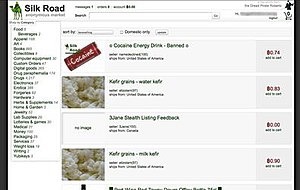
From there, use encryption software and the best Google Chrome security and privacy extensions to shore up your security and privacy. The seizure of Bitcoin and arrest of Ulbricht were meant to send a clear message to other cybercriminal enterprises. Drugs were the most common and lucrative goods to buy on Silk Road — making up 70% of the products for sale. Other items for sale included banned energy drinks, hacking services, digital goods (such as malware and pirated software), and forgeries (such as fake licenses and other illicit documents). Legal goods and services like art, books, jewelry were also for sale. Marshals Service, Office of Foreign Assets Control, and NY Department of Taxation.
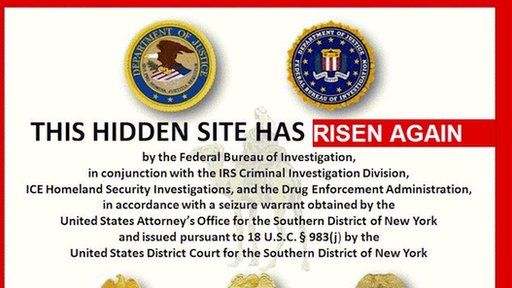
End Of The Silk Road: FBI Says It’s Busted The Web’s Biggest Anonymous Drug Black Market
He was even accused of attempting to have at least five people killed because they threatened to reveal the truth behind Silk Road. After the original Silk Road collapsed, Silk Road 2.0 quickly rose to take its spot. However, its time on the dark web was even shorter — ending just one year after its launch.
- Ulbricht made other self-incriminating mistakes, such as alluding to Silk Road on his LinkedIn profile, using his real photograph for Silk Road server rental, and even allegedly hiring an undercover agent to carry out an assassination.
- Ulbricht’s lawyer proposed that the chat logs and documents were planted inside by way of BitTorrent (a torrent downloading client), which was running on Ulbricht’s computer during the time of his arrest.
- He had been hired by Dread Pirate Roberts, the mysterious figure at the center of Silk Road.
- It was a clever touch, borrowing the name from The Princess Bride, in which the pirate was a mythical character, inhabited by the wearer of the mask.
Silk Road’s Operations
Preventive Approach participates in various affiliate marketing programs, which means we may get paid commissions on editorially chosen products purchased through our links to retailer sites. However, the closure of Silk Road did not end dark web activity; it only dispersed it across other, more resilient markets. As long as there remains supply and demand for illicit goods, it seems that Darknet markets will continue to exist. Some imitate Silk Road (there was even a “new” Silk Road market operating for a while), while others find ways to innovate.

Why Did The FBI Crack Down On The Silk Road?
Subdue the digital frontier and there was a star waiting for you, which was why the Silk Road case had become the largest online manhunt in history. Green had been on Silk Road for some time, and he’d chosen that screen name because of his own chronic pain, caused by a back injury he’d sustained while working as an EMT. On disability, Green had become an amateur pharmacologist, learning the ins and outs of opiates.
Ross Ulbricht, using the pseudonym ‘Dread Pirate Roberts’, founded the Silk Road in 2011 with the vision of creating a decentralized marketplace that upheld individual freedoms and privacy, inspired by libertarian ideals. While the Silk Road is no more, interest in the dark web continues to grow. For those curious about exploring this hidden part of the internet, a Virtual Private Network (VPN) like Forest VPN offers an additional layer of security. By encrypting your internet traffic and masking your IP address, Forest VPN helps protect your privacy from prying eyes, making it a valuable tool for anyone venturing into the depths of the web.
- Some might recall from that same time period the popular blog Jynxies Natural Habitat, which cataloged different New York City heroin bags, or “stamps,” accompanied by product reviews that readers could weigh in on as well.
- He came at the invitation of René, whom he’d known since seventh grade.
- The Silk Road was a pioneer in the adoption of Bitcoin as a means of conducting anonymous transactions on the dark web.
- The coordinated efforts of agencies from around the world were what ultimately led to the arrest and conviction of Ross Ulbricht, the man behind Silk Road.
The task force that formed to take on Silk Road—Operation Marco Polo—was based out of the Baltimore Homeland Security Investigations office. He quickly saw that it had a vocal mastermind, the revered figure known as Dread Pirate Roberts. It was a clever touch, borrowing the name from The Princess Bride, in which the pirate was a mythical character, inhabited by the wearer of the mask. The idea of a malleable but enduring identity only added to Silk Road’s enigmatic appeal. Force told his boss that Silk Road was a “target of opportunity.” But he was unskilled at computers, and he didn’t know anything about bitcoin. The shutdown of the Silk Road in 2013 marked a significant turning point for the dark web, as it demonstrated that even the most well-hidden online platforms were not immune to law enforcement intervention.
During his four-week trial, Ulbricht acknowledged he created Silk Road, but his lawyers contended he had later handed off the website to others and was lured back toward its end to become the “fall guy” for its true operators. Sentencing Ulbricht – who has two college degrees – District Judge Katherine Forrest said he was “no better a person than any other drug dealer”. Prosecutors said he also solicited six murders-for-hire, including one against a former Silk Road employee, though they said no evidence existed that any killings were actually carried out. The Silk Road Dark Web raised several important questions about internet regulation, cybersecurity, and the nature of freedom in the digital age. It demonstrated not just the potentials of the dark web but also its responsibilities and risks. Another user blamed the Dread Pirate Roberts’ carelessness, including his decision to raise his profile by giving an interview to Forbes.