The dark web is a primary destination for stolen personal data from large-scale data breaches. When companies experience breaches, data like social security numbers, credit card information, account passwords, medical records, and even tax information often end up for sale on dark web marketplaces. The dark web is a part of the internet not indexed by standard search engines like Google or Bing. Unlike the visible, “surface web,” the dark web operates through overlay networks—most notably, Tor (The Onion Router)—that keep users anonymous. Furthermore, the dark web’s reputation often attracts curious individuals who are unaware of the potential risks. Casual exploration can lead to exposure to malware, scams, or illegal content, any of which could have severe consequences, both digitally and legally.
- Think of this like searching for a library book using the facilities’ own index files – you might have to be in the library to search there.
- Dark web links end with a .onion suffix, which explains why the onion was chosen as the official Tor logo.
- Navy and released to the public in 2004, Tor is favored for its unmatched security and privacy features.
- When you search for your favorite recipe, check the news or browse social media, you’re using the surface web.
- People use it to connect with others who share their interests, whether those interests are political, artistic, or personal.
Payment for such services generally involves Bitcoin, a digital currency. Tor routes your internet traffic through a global network of volunteer-operated servers, hiding your location and encrypting your data at multiple levels. This makes it nearly impossible for anyone—governments, internet providers, or hackers—to trace your browsing activity back to you. While the Tor Browser looks and feels similar to Firefox, it’s specifically designed to connect to websites that aren’t accessible via regular browsers. You will learn about dark web browsers, search engines, and other tools enabling hidden activities, and we will help you to understand the dark web legalities that may arise.
What Types Of Services Can Cybercriminals Access On The Dark Web?
Also known as The Onion Router, TOR enables users to browse the Internet, including the Dark Web, anonymously. It bounces traffic through several servers before delivering it to its destination, making it harder to track a user’s activity or location. As cyber threats grow more sophisticated, organizations are keeping a close watch on the dark web.
Many email services, citing security reasons, require a phone number for identity verification. This creates an unfortunate paradox in which you must give up a highly sensitive piece of personal data to Big Tech. If you want to use the internet without giving up your most sensitive, valuable data, many European services offer a privacy-forward alternative. You can read ProPublica(new window) or The New York Times(new window), check your email in Proton Mail, or browse your Facebook wall(new window).
It can even be infuriating to see that information brokers’ activities aren’t even illegal because they claim to be using information that already exists in the public domain. Cybercriminals and other malicious actors rely heavily on the capabilities of the Dark Web in various unlawful ways. The hotspots for illegal activity on the Dark Web are marketplaces and forums where bad actors transact illegal products and services. To properly peel back the internet’s layers, you need a tool that provides layers of encryption to hide your activity. Tor Browser is a tool created and maintained by a non-profit privacy group, and it uses onion routing to repeatedly encrypt data and route it several times before it gets to its expected destination.
DDoS-for-hire services are now adding AI and automation features that make it easier to launch highly sophisticated attacks. For example, some services enable AI to bypass CAPTCHA systems, making it harder for sites to filter out legitimate traffic from abusive traffic. “This powerful combination of AI and automation renders many traditional defenses obsolete, sidestepping conventional protective measures like rate-limiting,” Hummel says. There’s a growing emphasis on scalability and professionalization, with aggressive promotion and recruitment for ransomware-as-a-service (RaaS) operations.
What Are The Three Levels Of The Internet?
While personal information may seem invaluable to you, cybercriminals trade personal information for a mere few dollars on the black markets that exist on the Dark Web. While no one can pinpoint the origins of the Dark Web, it’s now referenced in mainstream conversations about technology and digital security as the seedy source of many security issues. This colossal amount of information exists on the Deep Web (or “hidden web”), where almost all online activities take place.
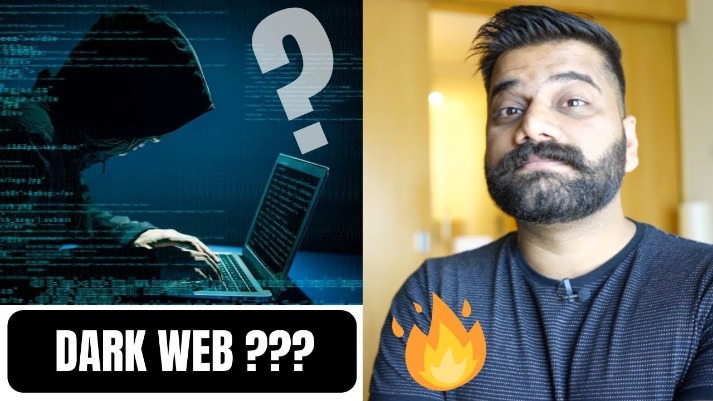
Why Security Matters When Using Tor
Always put your safety and legality first to ensure a secure browsing experience. However, the dark web has gained a negative reputation as a forum for those who want to use it for illicit activities. However, some may abuse the power of the dark web by making it easier to engage in criminal activity. While the dark web promises privacy to its users, it can also be used to violate the privacy of others.
CSO Executive Sessions: How AI And LLMs Are Affecting Security In The Financial Services Industry
This multi-layered encryption gives the network its “onion” structure, and each layer makes it more difficult to trace back to the source. Beyond its association with cybercrime, the dark web has also become a refuge for whistleblowers, journalists, and individuals in oppressive regimes seeking privacy or secure communication channels. This duality—a haven for anonymity yet a hub for illicit trade—makes the dark web both a vital tool and a significant threat, sparking global conversations about cybersecurity and digital ethics.
How Secure Is Your Password? Essential Tips For Enhancing Your Password Security
When you connect to the internet through the Tor network, your connection is routed through at least three random nodes, with your data being re-encrypted each time it passes through a node. Also known as the “surface web”, the clear web is the World Wide Web(new window) we’re all familiar with. It’s a collection of websites connected to each other via hyperlinks that are easily searchable using search engines such as Google. The dark web can certainly be dangerous — with no regulation, it’s a riskier place to hang out than the surface web.
Myth: It’s Entirely Illegal
Once downloaded and opened, these files can install viruses, spyware, ransomware, or other harmful software without your knowledge. While Tor lets you reach .onion sites, many require invitations, passwords, or verification. Though the dark web offers anonymity for journalists and activists in oppressive regimes, it raises many ethical concerns. You might visit the dark web seeking anonymity or unique services, but this anonymity also attracts scammers.
Your trusted source for verified cybersecurity deals, exclusive coupons, and lifetime offers. These dark web browsers randomize the user’s IP address with each clicked link and website visit, creating an almost untraceable network. Dark web links end with a .onion suffix, which explains why the onion was chosen as the official Tor logo. You must figuratively peel off layers of the visible web until you find its truly hidden content.
What Is The Dark Web And How To Access It?
Hidden, encrypted and out of reach of traditional search engines, the dark web is a place where anonymity rules. Users slip into this shadowy realm using a anonymizing browser, like Tor (The Onion Ring) browser, and a Virtual Private Network (VPN) to protect their identity and secure their connection. Before you go exploring the dark web, it’s crucial to recognize that it is much more dangerous than the surface web — and not just because of all the illegal activity happening on the dark web. Even if you’re a law-abiding citizen only looking to see what’s in the dark, hidden alleys of the internet, there are many dangers that can befall you.
- Off the paths it is almost impossible to find anything – unless you know what you’re looking for – so it feels a bit like a treasure hunt.
- For individuals living under oppressive regimes or anyone needing to communicate away from the watchful eyes of surveillance, the dark web is a valuable tool.
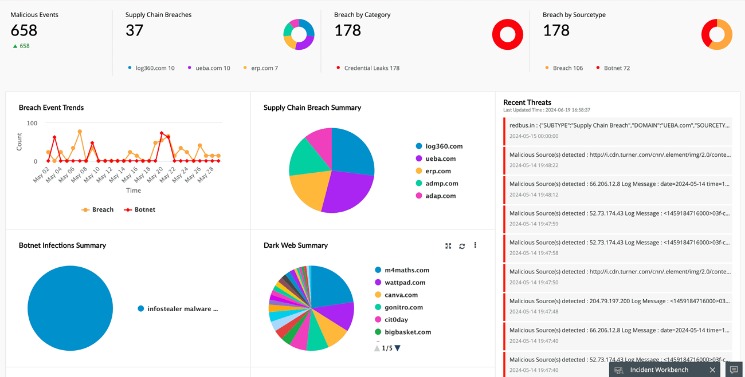
- For additional protection, enterprises should monitor the dark web to identify indicators of dark web compromise, such as database dumps or the posting of personal or financial information.
- One common threat is the sale of stolen credentials, including usernames, passwords, and financial information, which cybercriminals use for identity theft and fraud.
- Given its relationship with crime, some ISPs and companies automatically block Tor traffic.
Experience The World’s Most Advanced Cybersecurity Platform
The dark web is the hidden part of the internet that isn’t indexed by search engines. Your best bet is to slowly but consistently build a cybersecurity setup that combines reliable tools (digital identity protection, antivirus and VPN) with ongoing self-education. Depending on the size of your digital footprint and your online privacy setup, your personal data may be leaking in small drips or flooding onto the Dark Web. As it pools together, hackers use it to fuel other criminal operations, combining details and reusing them for subsequent attacks.