Fentanyl is a synthetic opioid used to treat the most severe pain. While all opioids can be deadly, fentanyl is especially dangerous because it is so strong—much stronger than heroin or morphine. The medication will reverse the effects of fentanyl and block future effects. However, naloxone only stays in the body for a short time.
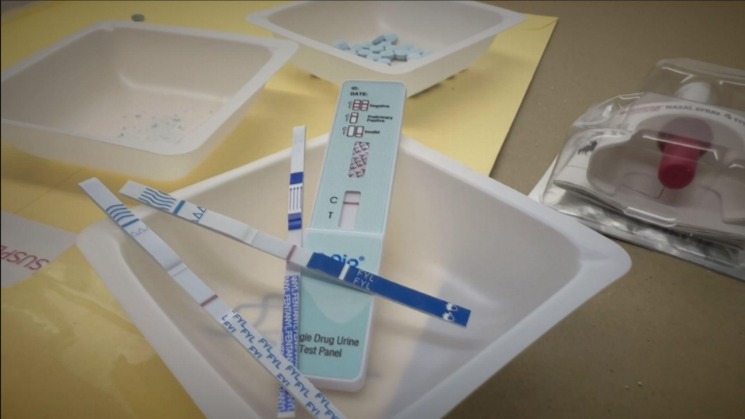
It is a rapid, qualitative screening test that quickly and reliably detects fentanyl at cut-off levels above 200 ng/mL. This drug test can provide accurate and fast results as soon as 1 minute. You must immediately dispose of any medication that is outdated or no longer needed through a medicine take-back program..
FIND TREATMENT:
Established in January 2021, IDEA Exchange is only the second legal needle exchange program in Florida. They offer a wide variety of services including exchanging used needles for new, clean ones, as well as supplies including alcohol wipes and bandaging. They also provide education on safety and disease prevention. HIV and hepatitis C testing along with wound care are also offered. Naloxone is distributed for free to help prevent overdoses. Fentanyl is typically administered intravenously (IV), intramuscularly (IM), transdermally (TD) as skin patches, intranasally (IN) in the form of a volatile nasal spray, and intrathecally (IT).
Medical Uses
Experts said fentanyl doesn’t just float up into the air and unintentionally expose people nearby. For continuous delivery, a transdermal patch can slowly deliver fentanyl through the skin and into the bloodstream for up to 72 hours. Fentanyl affects people differently, depending on an individual’s size and overall health condition. Mayo Clinic is a nonprofit organization and proceeds from Web advertising help support our mission. Mayo Clinic does not endorse any of the third party products and services advertised. Read on to learn about the methods, benefits, risks and implications of using or misusing fentanyl.
How Does Fentanyl Affect The Brain?
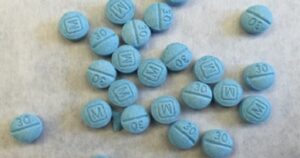
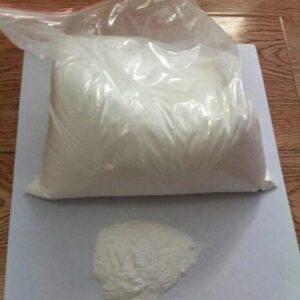
This can decrease the amount of oxygen that reaches the brain, a condition called hypoxia. Hypoxia can lead to a coma, permanent brain damage, and even death. Fentanyl is not only much stronger than other opioids, but it’s often added to illicit drugs without people knowing. People making illegal fentanyl often do this because it’s less expensive to use fentanyl than other drugs. People sell illegal fentanyl as a powder, dropped onto blotter paper, put in eye droppers and nasal sprays, or as pills that look like other prescription opioids.
Unlike other safety test strips, our kit comes fully equipped with everything you need to test anytime, anywhere. No more scrambling for extra supplies—just complete, convenient testing at your fingertips. It can cause harm or death to people with opioid use disorders or who may have accidental exposure to the drug.
If you do not have a take-back program nearby or one that you can access promptly, then flush the fentanyl down the toilet so that others will not take it. Throw away the remaining handles in a place that is out of the reach of children and pets, and flush the toilet twice when it contains up to five lozenges. Dispose of unneeded tablets by removing them from the packaging and flushing them down the toilet. Throw the remaining fentanyl packaging or cartons into a trash container; do not flush these items down the toilet. Call your pharmacist or the manufacturer if you have questions or need help disposing of unneeded medication.
Lower The Risk Of Overdose
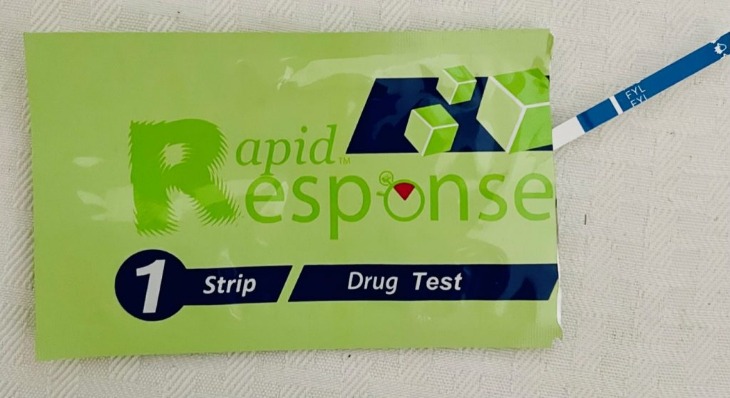
This more recent version of fentanyl comes in bright colors. People who make it mix it with dyes and either press it into multicolored pills or sell it in a colored powder form. While some opioids come directly from the plant, fentanyl is made in a lab by scientists using the same chemical structure. Overdose prevention is a CDC priority that impacts families and communities. Drug overdose is a leading cause of preventable death in the U.S. The Rapid Response™ Fentanyl Test Strip (Liquid/Powder) is an easy to use, cost-effective dipstick test.
Treating Fentanyl Addiction
- Mixing multiple stimulants (like methamphetamine and cocaine), depressants (like opioids and alcohol), or a combination of both can cause harm and potentially death.
- Dispose of partially used lozenges according to the manufacturer’s directions immediately after you remove them from your mouth.
- The strips are a little more expensive, around $3.00 per test, but are a valuable tool moving forward in the world of harm reduction and preventing accidental overdoses.
- For continuous delivery, a transdermal patch can slowly deliver fentanyl through the skin and into the bloodstream for up to 72 hours.
- Prices may vary depending on how many strips are in the box.
Certified providers can order up to 1,200 fentanyl and/or xylazine test strips or set up a naloxone ordering account using the provider and individual request form. Keep this medication in the packaging it came in, tightly closed, and out of reach of children, and in a location that is not easily accessible by others, including visitors to the home. Store fentanyl in a safe place so that no one else can use it accidentally or on purpose. Use the child-resistant locks and other supplies provided by the manufacturer to keep children away from the lozenges. Keep track of how much fentanyl is left so you will know if any is missing. Store fentanyl at room temperature and away from excess heat and moisture (not in the bathroom).
Medications are the standard treatment for fentanyl addiction.32,33 Several medications have been approved by the U.S. Food and Drug Administration (FDA) for the treatment of opioid use disorder. Another medication, lofexidine, has been approved for treatment of withdrawal symptoms.34 See “Medications for Opioid Use Disorder” for more information. Fentanyl is synthetic, which means it is made entirely in laboratories and has no natural ingredients. It was developed as a prescription medicine for treating severe pain, such as pain after surgery. Fentanyl is in a class of medications called narcotic (opiate) analgesics.
Health Care Providers
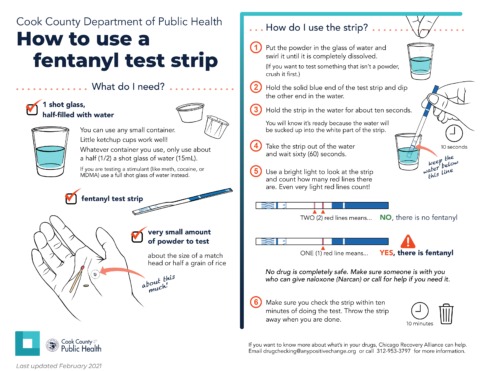
Crush the substance that you wish to test finely on a clean surface. Empty the bag and put your drugs aside in another container or clean surface. There should be enough residue in the bag to perform the test.
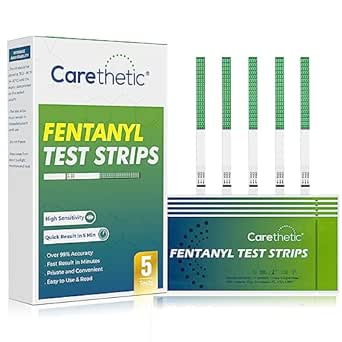
Fentanyl is used as needed to treat breakthrough pain but not more often than four times a day. Follow the directions on your prescription label carefully, and ask your doctor or pharmacist to explain any part you do not understand. Knowing where to buy fentanyl test strips is vital to ensuring access to these important tools. Lochness Medical provides both individual test strips and bulk fentanyl test kits for institutions. Fentanyl test strips are used to detect small amounts of fentanyl and prevent accidental overdose.
It works by changing the way the brain and nervous system respond to pain. Fentanyl may cause serious harm or death if used accidentally by a child or by an adult who has not been prescribed the medication. Even partially used fentanyl may contain enough medication to cause serious harm or death to children or other adults.
How Can A Person Be Sure That They’re Taking Real Fentanyl?
Signs of an overdose include slow or no breathing; pale, clammy skin; and unresponsiveness. You will work to find the root causes of your addiction and how to cope with future stresses to prevent a return to use. Support is a huge part of recovery, and finding camaraderie with your peers will help you build a strong foundation once treatment is complete. You have what it takes to recover – all you have to do is take the first step today.
Two bills — House Bill 1053 and Senate Bill 96 — have been filed this session to decriminalize drug test strips. The small pieces of paper detect the presence of certain drugs in a supply so a user can take steps to prevent an overdose. The strips are seen as particularly pressing when it comes to fentanyl, which carries a deadly dose that can lay on the tip of a pencil. Fentanyl alone accounted for 648 overdose deaths in Marion County in 2022, making up nearly 81% of total drug intoxication deaths that year.