The best estimate of total sales volume in the cocaine market is $30 billion for 1995 (Office of National Drug Control Policy, 2001). We assume, conservatively, that one-quarter of that was accounted for by crack, giving total crack revenues of $7.5 billion. Levitt and Venkatesh estimate annual sales per participant of $6,000, implying that there are over 1 million sellers of crack, which is a far larger number than estimated in other studies (e.g., Caulkins and Reuter, 1998). They also estimated a 4 percent annualized risk of a homicide death for the gang. But for crack alone, it is unlikely to be as high as 2,500 (of a total of 20,000 homicides from all causes), which, with a mortality rate of 4 percent, suggests only 62,500 sellers.
Crime And Courts
Some black markets may exist accidentally, but others are intentionally hidden. Worldwide, there are dangerous and lesser-known black markets operating behind the shadows. Many are in places no one would have ever imagined, like the internet (dark web).
How Do Dark Web Marketplaces Work
The first category includes classic marketplaces, which serve as one-stop shops for a wide range of illegal goods. These platforms sell everything from drugs and fake IDs to weapons and hacking tools, resembling a digital black-market bazaar. Based on our observations from analysis on dark web data using Lunar, we’ve identified the top 7 marketplaces on the dark web in 2025. We developed Lunar to monitor the deep and dark web, including dark web marketplace sites. Counterfeit Ozempic has been reported in 15 countries, according to the World Health Organization, which issued a global alert in June warning of the health risks of purchasing fake products. Spokespeople for Meta, the parent company of Facebook and Instagram, and TikTok said their platforms do not allow the sale of prescription drugs and that the companies take action to remove those listings.
Contributing Factors To Online Drug Dealers
While most people may shun an underground market because they consider it sleazy, there may be rare occasions when they have no choice but to turn to this necessary evil. It moves people into forced labor, forced marriages, prostitution, child armies, and the market for human organs. Roughly 50 million people were trapped in modern slavery across the world in 2021, with women and children being the most vulnerable. Experts estimate that sex trafficking and forced labor generate as much as $150 billion a year in profits. Perhaps it was naive to ever believe that a legal market would stamp it out for good. What was harder to foresee was the black market’s roaring growth in the shadow of that legalization.
From mountain poppy fields to city street corners, black market drugs move through elaborate distribution systems involving producers, smugglers, wholesalers, and street-level dealers. Common substances include diverted prescription medications, synthetic opioids, cocaine, and methamphetamine. The prescription drug street market reflects broader healthcare, policy, and social issues within communities.
According to a 2021 study by the National Institute on Drug Abuse (NIDA), nearly 30% of confiscated street drugs contained harmful synthetic additives, such as fentanyl analogs, which are notably more potent and hazardous. These substances are rarely disclosed to users, making it impossible for them to gauge a safe dosage. Additionally, unknown impurities introduced during the haphazard manufacturing process can cause severe health complications, ranging from allergic reactions to organ failure. Amid the dangers of illicit drug sales, one peril that stands out is the inconsistency in drug potency, which can vary wildly from batch to batch. “The black market for medications does concern me,” Farley said, citing World Health Organization data that estimates that 10 percent of medications in low- to middle-income countries are counterfeit — where medications in the U.S. could be coming from.
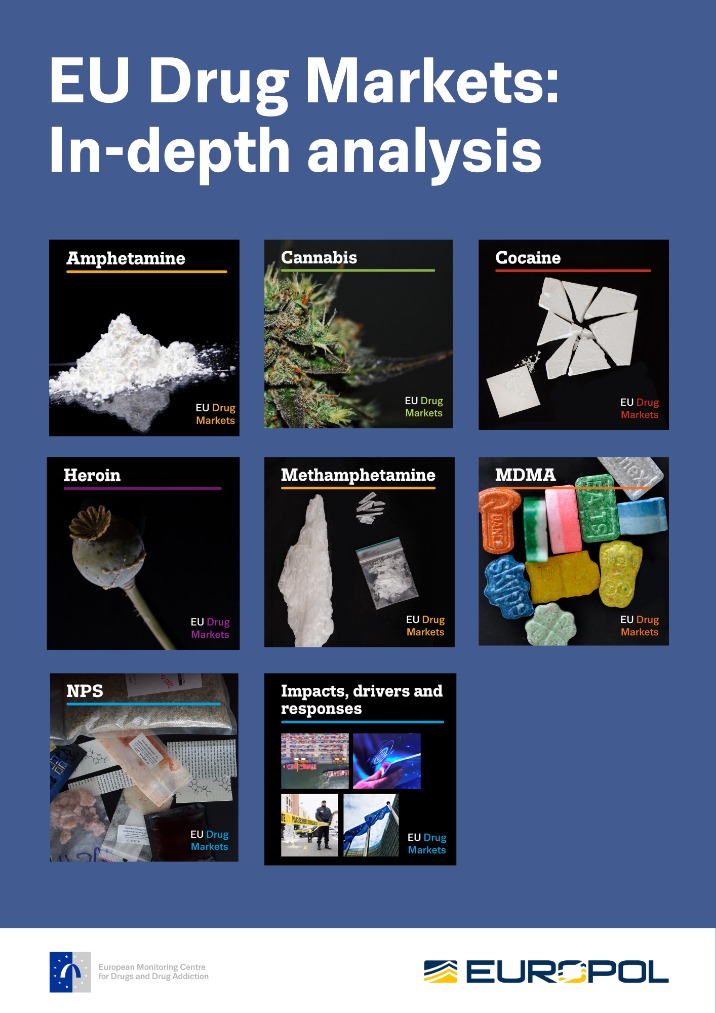
Power Your Insights With Data You Can Trust
Such information was not available and therefore not accounted for in our model. Additionally, DATA-waivered providers that do not give permission to be listed were not listed in the SAMHSA list of practitioners. Therefore, the SAMHSA list may not be reflective of the true density of buprenorphine providers. We cannot come to a definitive conclusion for why the coefficient on provider density was insignificant, but our model does not preclude the real-life possibility that buprenorphine influences street pricing in some way.
UNDERGROUND: Why This Transgender Woman Used Black Market Drugs To Transition
Black markets can be reduced or eliminated by removing the relevant legal restrictions, thus increasing supply and quality. An argument in favor of this approach is that governments should recognize fewer crimes in order to focus law enforcement efforts on the most treatable dangers to society. However, this can also be seen as the equivalent of legalizing crime in order to reduce the number of “official” criminal delicts—in other words, a concession that can be viewed negatively because of a perceived disappearing of moral values. Law enforcement agencies employ a range of investigative techniques to uncover and dismantle black market pharmaceutical operations. Undercover operations play a crucial role in infiltrating these criminal networks, allowing law enforcement officers to gather evidence, identify suppliers, and make arrests.
CNBC Newsletters
Physical dependency keeps individuals trapped in this system even when they intellectually understand the harm it causes. Pills pressed in basement operations might contain anything from chalk to lethal fentanyl analogs. A batch that provided a manageable high yesterday could trigger an overdose tomorrow. This inherent unpredictability introduces extreme risk with each instance of consumption.
Crowdsourcing Black Market Prices For Prescription Opioids
It was calculated by standardizing the price per milligram for each opioid against that of morphine. These numbers do not distinguish oral from other routes of administration, nor take into account time-release mechanisms. Screenshot of Silk Road – an anonymous online marketplace where drugs, fireworks, and stolen goods are sold.
Fueling The Deadly Business
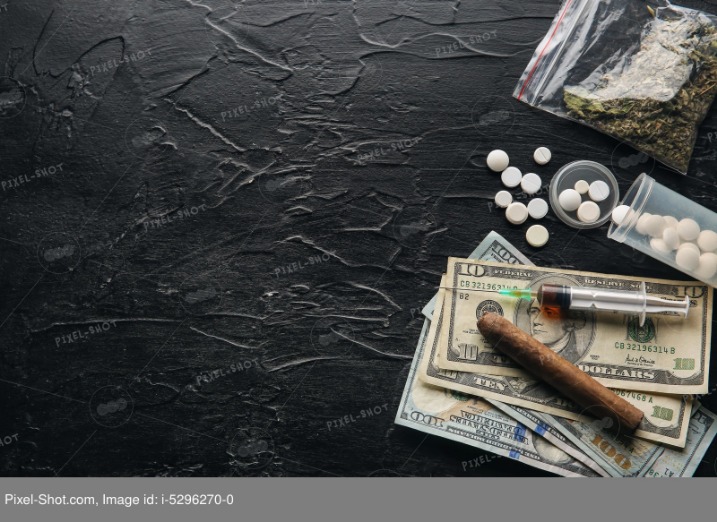
Yet the same might be said of the cross-country traveler who stops at a roadside diner or the life insurance company that is forbidden by law from performing certain informative medical tests. Prior to the founding of eBay and related websites, search costs and quality differences were dominant factors in the markets for collectibles and antiques. “In order to buy the product, you have to use cryptocurrency, which requires a high level of technology,” she said. The centre also found that the internet had made more conventional illicit substances, such as cannabis and MDMA, easier to buy. While it’s difficult to put a number on how many seek out services outside of the doctor’s office, Goldstein says, “a lot of people” go outside the medical system for these interventions.
We And Our Partners Process Data To Provide:
Underground market activity was traditionally conducted in cash to avoid creating a paper trail. With the rise of the internet, many underground market transactions are now done online, such as on the dark web using digital currencies. One of the central76 discussion forums was Reddit’s /r/DarkNetMarkets/,777879 which has been the subject of legal investigation, as well as the Tor-based discussion forum, The Hub. The connection between Canada’s underground markets and addiction demands comprehensive action. Addressing root causes, poverty, trauma, and mental health matters more than treating symptoms alone.
- Asset forfeiture laws allow law enforcement to confiscate funds and properties acquired through illegal activities, crippling the financial infrastructure that supports the black market pharmaceutical trade.
- However, it’s hard to know how prevalent this is — most patients don’t realize they have taken a fake or tampered medication.
- Declaration of Competing Interest SN has received untied education grants from Indivior and Sequirus and her institution has received honoraria for training provided on the treatment of codeine dependence.
- The lack of regulation exacerbates violence, crime, and exploitation of vulnerable groups, straining healthcare systems and perpetuating societal issues.
- The connection between Canada’s underground markets and addiction demands comprehensive action.
As a result, the currency underground market is flourishing in nations like Argentina, Iran, and Venezuela. There is a big demand and a large market for these goods, despite strong laws designed to punish those who sell fake goods. The sale of counterfeit goods reduces the profits made by legitimate manufacturers and also undermines confidence in the market as a whole. The deaths were a reminder that while buyers may not make a distinction between black market products and regulated products sold at licensed shops, the difference between them can be stark. DC’s Alcoholic Beverage and Cannabis Administration, for example, began testing drugs confiscated from unlicensed sellers and reported recently that it had found methamphetamines in marijuana flower. Still, because the laws of supply and demand apply to marijuana, too, the price of even the licensed good stuff has also dropped precipitously in state after state, driven in part by black market products.
But experts Vox spoke with questioned whether the licensing infrastructure set up by states would have ever encouraged illegal sellers to get licensed. In some ways, it was short-sighted legalization policies and nearly-impossible-to-meet regulations that created the perfect storm that states find themselves in today. Background research tasks included learning from past drug lords, researching legal matters, studying law enforcement agency tactics and obtaining legal representation. Patterns recommended to avoid include hiring hitmen like Dread Pirate Roberts, and sharing handles for software questions on sites like Stack Exchange. Police departments increasingly partner with public health agencies, creating diversion programs that route users toward treatment instead of incarceration.